How to clean your ice maker for better ice quality
Improve your ice quality by properly cleaning your ice maker. This guide covers step-by-step cleaning, maintenance tips, and when to call a professional in Los Angeles.
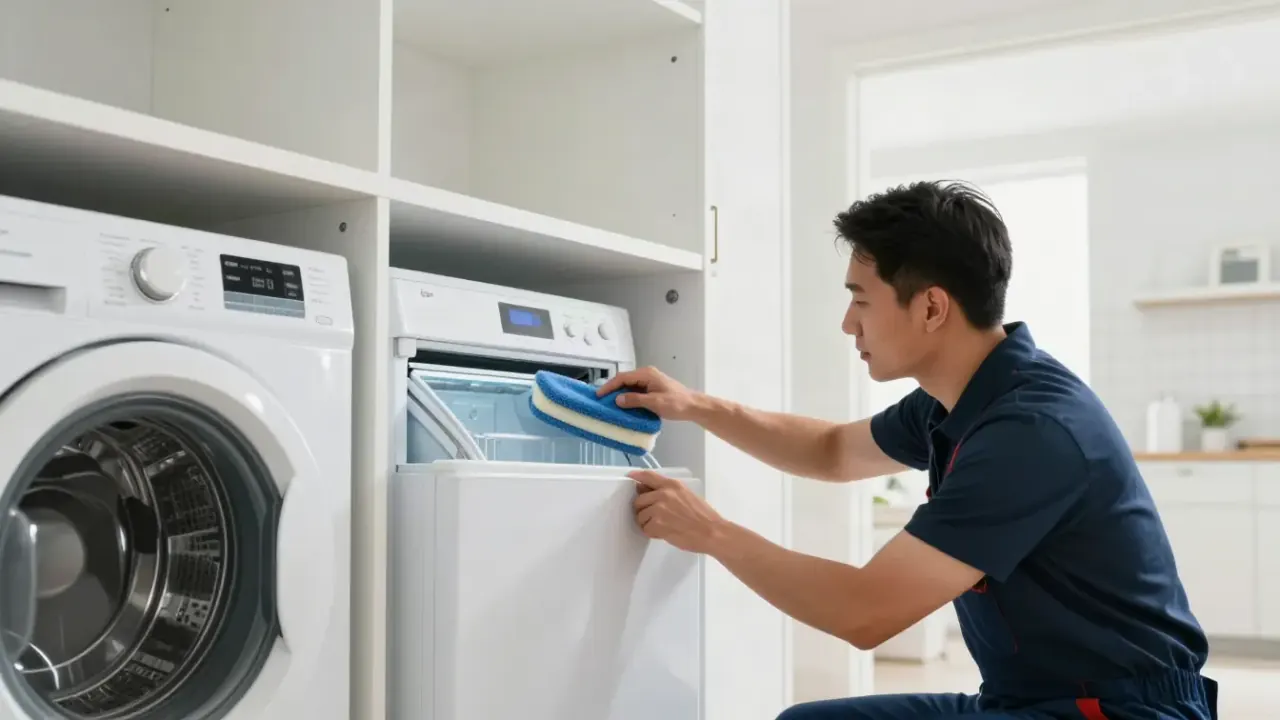
Cleaning your ice maker improves ice quality by removing mineral deposits, mold, and bacteria that cause off-tastes and odors. Regular cleaning also prevents clogs and mechanical issues, ensuring consistent ice production. This article explains the cleaning process, frequency recommendations, common pitfalls, and when to hire a professional in Los Angeles.
An ice maker is an appliance component that produces ice cubes or crushed ice automatically, usually found in refrigerators or standalone units. Cleaning is necessary when ice tastes unusual, production slows, or visible buildup appears.
Why cleaning your ice maker matters in Los Angeles
Los Angeles water is known for its hardness, with calcium carbonate levels averaging 120-200 ppm, which accelerates mineral buildup inside ice makers. This buildup affects ice clarity and taste, often making ice cubes cloudy or bitter. Additionally, the warm Southern California climate encourages mold and bacterial growth inside the ice maker's water reservoir and dispensing components.
Failing to clean your ice maker can lead to clogged water lines and damaged mechanical parts. This reduces ice output and may cause leaks or electrical faults. In Los Angeles homes, where older buildings sometimes have outdated plumbing, these issues are more common, making regular cleaning critical to appliance longevity and ice quality.
For ongoing appliance care, including ice makers, many homeowners turn to Appliance Repair Los Angeles CA providers who offer maintenance that extends the life of kitchen appliances.
What is an ice maker and when does it need cleaning?
An ice maker is a refrigeration appliance part that automatically freezes water into ice cubes or crushed ice, typically integrated into refrigerators or free-standing machines. It requires cleaning when ice develops an off-flavor, production slows, or visible mold and scale accumulate on internal parts.
Signs you need to clean your ice maker include:
- Ice cubes are cloudy, smaller, or have an unpleasant taste.
- Water leaks or pools inside or beneath the ice maker.
- Ice production stops or slows significantly.
- Unusual odors coming from the ice dispenser.
These symptoms often appear after 3 to 6 months of use without cleaning, depending on water quality and usage frequency, especially in Los Angeles households.
Step-by-step guide to cleaning your ice maker
Cleaning an ice maker requires careful disassembly, cleaning, and reassembly. Here's a detailed process suitable for most refrigerator ice makers and standalone units in Los Angeles homes.
1. Prepare your workspace and tools
Gather these items:
- White vinegar or a commercial ice maker cleaner
- Warm water (about 100°F or 38°C)
- Soft cloths and small brushes (toothbrush or soft bottle brush)
- Plastic gloves
- A bucket or large bowl
- Clean towels
2. Turn off and unplug the ice maker
For safety, switch off the ice maker or refrigerator and unplug it from the power source. Shut off the water supply valve to prevent leaks during cleaning.
3. Remove ice and drain water
Empty the ice bin and discard any remaining cubes. Drain any standing water from the reservoir or drip tray using a sponge or towel. This prevents contamination during cleaning.
4. Clean removable parts
Take out the ice bin and any removable trays or water filters. Wash these parts with warm, soapy water. Rinse thoroughly and dry completely before reinstalling.
5. Descale and disinfect the ice maker
Mix a solution of one part white vinegar to three parts warm water. Using a soft cloth or brush, wipe all accessible ice maker surfaces, including the ice mold, water reservoir, and dispenser chute. For stubborn scale deposits, let the vinegar solution soak for 5-10 minutes before scrubbing.
Alternatively, use a manufacturer-approved commercial ice maker cleaner following label instructions. Avoid harsh chemicals that can damage plastic or metal parts.
6. Rinse thoroughly
Wipe down all cleaned surfaces with a cloth soaked in clean warm water to remove vinegar or cleaner residues. Residual cleaner can affect ice taste and safety.
7. Reassemble and flush the system
Reinstall all parts, reconnect the water supply, and plug in the appliance. Run the ice maker through one or two full cycles, discarding the first batch of ice to flush out any remaining cleaning solution.
8. Final wipe and inspection
Wipe the exterior and ice dispensing area with a clean cloth. Inspect for leaks or unusual noises during operation, which could indicate mechanical issues needing professional attention.
How often should you clean your ice maker in Los Angeles?
In Los Angeles, cleaning your ice maker every 3 to 6 months is recommended due to the region's hard water and warm climate. Homes with very hard water or heavy ice usage may require cleaning every 3 months, while light use or softened water can extend the interval to 6 months.
Seasonal factors also matter; during warmer months, mold and bacteria growth accelerate, so cleaning before summer and after winter storage is advisable.
Regular cleaning prevents costly repairs and maintains ice quality. For routine upkeep, consider scheduling Appliance Maintenance Services Los Angeles that include ice maker inspection and cleaning.
Common mistakes when cleaning ice makers
Many homeowners make errors that reduce cleaning effectiveness or damage the appliance:
- Using harsh chemicals: Bleach or ammonia can corrode plastic parts and leave harmful residues.
- Skipping rinsing: Not rinsing after cleaning leaves vinegar or cleaner that alters ice taste and safety.
- Ignoring water filters: Dirty or clogged water filters reduce ice quality and should be replaced or cleaned regularly.
- Forgetting to discard first ice batch: The initial ice after cleaning often contains residual cleaning agents and should never be consumed.
- Neglecting manufacturer instructions: Each model has specific cleaning requirements; ignoring these can void warranties or cause damage.
When to call a professional for ice maker cleaning
Call a professional if your ice maker shows persistent issues after cleaning, such as slow ice production, leaks, unusual noises, or electrical faults. Professionals have tools and expertise to dismantle complex parts, perform deep cleaning, and repair damaged components.
In Los Angeles, especially in older homes or buildings with challenging water quality, professional service can prevent recurring problems. Prime Home Appliance Repair offers Ice Maker Repair services Los Angeles and cleaning that restore ice quality and appliance reliability.
Frequently Asked Questions about ice maker cleaning
How long does it take to clean an ice maker?
Cleaning a typical ice maker takes about 30 to 60 minutes, depending on the model and cleaning thoroughness.
Can I use bleach to clean my ice maker?
Bleach is not recommended as it can damage plastic parts and leave harmful residues. Use white vinegar or approved commercial cleaners instead.
How much does professional ice maker cleaning cost in Los Angeles?
Typical 2026 pricing ranges from $80 to $150 for professional cleaning, depending on the appliance complexity and service provider.
What causes cloudy ice cubes?
Cloudy ice results from trapped air, mineral deposits, or impurities in water, often worsened by a dirty ice maker or hard water.
Can I clean my ice maker myself safely?
Yes, with proper tools and following steps carefully. However, complex issues or persistent problems require expert service.
Get help with Appliance Repair in Los Angeles
If cleaning your ice maker doesn't improve ice quality, contact experts for reliable repair and maintenance. For expert appliance service in Los Angeles, call Prime Home Appliance Repair at (844) 536-1741.
Many Los Angeles residents also benefit from Appliance Repair in Hollywood where older buildings experience similar water quality challenges affecting ice makers. Regular service helps maintain appliance performance in these neighborhoods.
For comprehensive care beyond ice makers, including Refrigerator Repair Los Angeles CA and other kitchen appliances, professional maintenance keeps your home running smoothly year-round.