Local guide to appliance recycling and disposal in Culver City
Explore practical steps for appliance recycling and disposal in Culver City, including local rules, costs, and professional help for 2026.
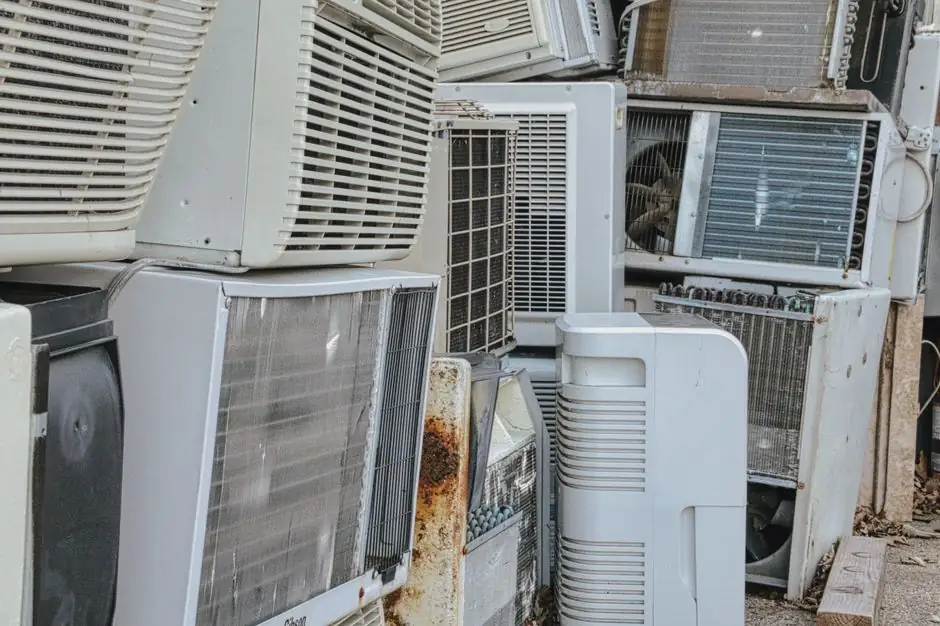
Appliance recycling and disposal in Culver City means properly discarding old or broken appliances through designated programs or professional services that ensure safe handling and environmental compliance. This process prevents hazardous waste from contaminating landfills and recovers valuable materials for reuse.
This guide explains how residents and businesses in Culver City can recycle or dispose of appliances, outlines typical 2026 costs, details local regulations, and highlights when professional help is necessary. It also covers common pitfalls to avoid and answers frequent questions about appliance disposal in the Los Angeles area.
Prime Home Appliance Repair offers comprehensive support for appliance issues and can assist with responsible disposal options. For dependable service, they provide Appliance Repair Los Angeles CA with a focus on efficiency and compliance.
What is appliance recycling and disposal in Culver City?
Appliance recycling and disposal in Culver City is a waste management category that covers the proper removal, deconstruction, and processing of household or commercial appliances when they are no longer functional or wanted. This includes refrigerators, washers, dryers, ovens, and other large units.
Recycling involves salvaging usable parts and materials such as metals, plastics, and refrigerants, while disposal refers to the final handling of non-recyclable components in compliance with environmental laws. Culver City's programs aim to minimize landfill waste and reduce toxic chemical release.
Common appliances targeted include:
- Refrigerators and freezers
- Washing machines and dryers
- Ovens, stoves, and cooktops
- Dishwashers and garbage disposals
- Microwaves and ice makers
Each type requires specific handling to meet safety standards, especially units containing refrigerants or electronic components.
How to recycle and dispose of appliances in Culver City
Culver City residents have several options for recycling and disposing of appliances in 2026. The city partners with Los Angeles County's waste services, offering curbside pickup, drop-off centers, and professional haul-away services.
Steps to follow:
- Identify your appliance type: Confirm if the appliance contains refrigerants (e.g., refrigerators, freezers) or hazardous materials.
- Check local programs: Culver City residents can use the LA County Public Works website or call the Culver City Public Works Department for scheduled bulky item pickups or recycling events.
- Schedule curbside pickup: Bulky item collection is available quarterly for free, but appliances with refrigerants require special preparation and certification for pickup.
- Use drop-off centers: The East Los Angeles Recycling Center and others accept appliances for recycling, often at no cost but sometimes with a small fee.
- Hire professional services: For convenience or large quantities, companies offering Appliance Recycling and Disposal Los Angeles CA can manage pickup, transport, and certified recycling.
Before disposal, remove personal items and disconnect utilities safely.
For residents in nearby neighborhoods, similar programs exist, but some areas like Appliance Repair in West Hollywood may have additional local ordinances or fees.
What does appliance recycling cost in Culver City in 2026?
Costs for appliance recycling and disposal in Culver City vary depending on appliance type, service chosen, and quantity. Typical price ranges in 2026 are:
- City curbside bulky item pickup: Free for most appliances, but refrigerators and freezers may have a $25-$40 fee for refrigerant handling.
- Drop-off recycling centers: Usually free, though some centers charge $10-$20 per appliance for processing fees.
- Professional haul-away services: $75-$150 per appliance depending on size, accessibility, and disposal requirements.
Refrigerant recovery and disposal add to costs due to EPA regulations requiring certified technicians. Some programs offer rebates or discounts for recycling Energy Star appliances.
Hiring a company that also provides Refrigerator Repair Los Angeles CA or other appliance repairs can be cost-effective if you want to explore repair before disposal.
Local regulations and rules for appliance disposal in Culver City
Culver City follows California state laws and Los Angeles County regulations regarding appliance disposal. Key rules include:
- Refrigerant handling: Appliances with refrigerants must be serviced by certified technicians to recover gases before disposal, per California Air Resources Board (CARB) standards.
- Electronic waste laws: Appliances with electronic components must be recycled at authorized facilities to prevent hazardous waste contamination.
- Bulky item collection limits: Residents are limited to two bulky items per quarterly curbside pickup; additional items require special scheduling or private services.
- Illegal dumping penalties: Disposing of appliances in unauthorized locations can result in fines from $250 to over $1,000.
Compliance ensures environmental protection and avoids costly citations.
For residents in Culver City, it's important to verify with the Public Works Department before disposal. Those living near Appliance Repair in Santa Monica may notice slightly different municipal rules, so always check local guidelines.
Common mistakes when recycling or disposing of appliances
Many Culver City residents make avoidable errors during appliance disposal, leading to delays, fines, or environmental harm. Common mistakes include:
- Failing to remove refrigerants properly, risking illegal disposal and environmental damage.
- Discarding appliances on the curb outside scheduled bulky item pickup days.
- Not disconnecting utilities safely, which can cause water leaks or electrical hazards.
- Assuming all appliances are accepted at drop-off centers; some centers exclude certain types like microwaves or ice makers.
- Neglecting to check for local permits or fees, resulting in surprise charges or fines.
Avoid these by following Culver City's official guidance and considering professional services.
When to call a professional for appliance recycling and disposal
Professional appliance recycling and disposal services in Culver City are advisable when dealing with large, heavy, or hazardous appliances, or if you want to save time and ensure compliance. Certified technicians handle refrigerant recovery, safe transport, and recycling documentation.
Prime Home Appliance Repair offers Appliance Recycling and Disposal Los Angeles CA with certified technicians who manage pickups and ensure all environmental regulations are met. They also provide repair services such as Dryer Repair Los Angeles CA and Dishwasher Repair Los Angeles CA, allowing you to explore repair options before disposal.
Calling a professional reduces risk, avoids fines, and supports responsible waste management.
Frequently Asked Questions
Can I put my old refrigerator out with regular trash in Culver City?
No, refrigerators must be recycled through designated programs due to refrigerant chemicals. You can schedule bulky item pickup or use a certified recycling center.
How long does appliance recycling take in Culver City?
Scheduling curbside pickup typically takes 1-2 weeks, while professional services can often arrange same-week removal depending on availability.
Are there any fees for appliance disposal in Culver City?
Most bulky item pickups are free, but appliances with refrigerants may incur fees between $25 and $40 for safe handling.
What happens to appliances after recycling in Culver City?
Appliances are dismantled; metals and plastics are recycled, refrigerants safely recovered, and hazardous materials disposed of per environmental laws.
Can Prime Home Appliance Repair help with appliance disposal?
Yes, they provide Appliance Recycling and Disposal Los Angeles CA services along with repair options to extend appliance life.
Get help with Appliance Repair in Los Angeles
If you need expert assistance with appliance recycling or repair in Los Angeles, Prime Home Appliance Repair offers reliable service and environmental compliance. Call (844) 536-1741 today to schedule your appointment.