Tips for maintaining your refrigerator in the Los Angeles heat
Keep your refrigerator running efficiently during the intense Los Angeles heat with practical maintenance tips that prevent breakdowns and save energy.
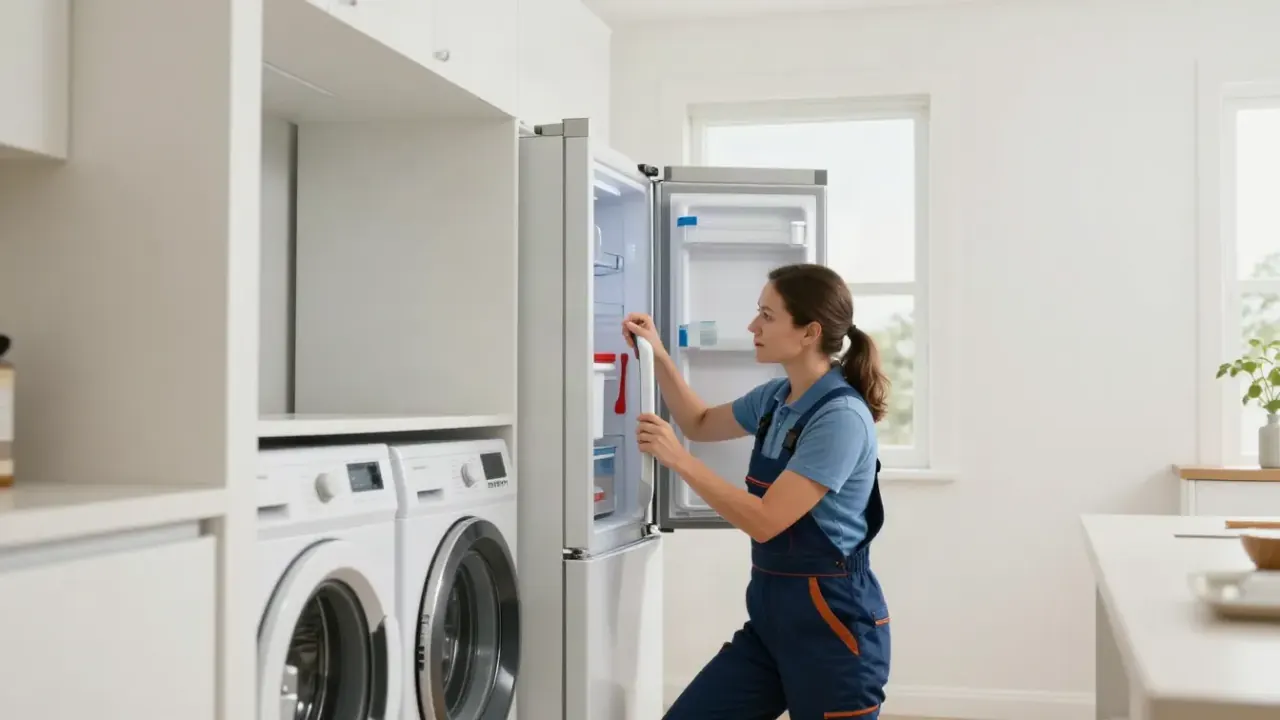
Refrigerator maintenance in Los Angeles heat requires proactive steps to prevent overheating and ensure efficient cooling. High ambient temperatures force refrigerators to work harder, increasing wear and energy consumption. This article covers practical tips to maintain your fridge through warm months, including cleaning, temperature settings, and common pitfalls specific to Los Angeles homes.
A refrigerator is an appliance that cools and preserves food by maintaining a low internal temperature; it needs regular upkeep to operate efficiently, especially in hot climates like Los Angeles.
Prime Home Appliance Repair offers comprehensive support for Los Angeles residents seeking reliable Appliance Repair Los Angeles CA, including expert advice on maintaining refrigeration units to withstand local heat challenges.
How does the Los Angeles heat affect refrigerators?
The intense heat in Los Angeles, with summer temperatures often exceeding 90°F and sometimes reaching 105°F, significantly impacts refrigerator performance. Higher ambient temperatures increase the workload on compressors, which must run longer to maintain cool interior temperatures. This extended operation accelerates wear on components like compressors, fans, and thermostats.
Additionally, heat can cause the refrigerator's seals to degrade faster, leading to cold air leaks and reduced efficiency. Older homes in areas such as Appliance Repair in Koreatown often face challenges with outdated insulation and ventilation, making proper maintenance even more critical.
What are essential refrigerator maintenance tips for Los Angeles homeowners?
Maintaining your refrigerator in Los Angeles involves several key practices tailored to local climate conditions:
- Keep the coils clean: Dust and dirt accumulate faster in dry, dusty neighborhoods like West Hollywood Appliance Repair areas, reducing heat dissipation efficiency.
- Ensure proper ventilation: Position your fridge at least 2-3 inches away from walls to allow airflow. Avoid placing it near heat sources such as ovens or direct sunlight.
- Set correct temperature: Keep the fridge between 37°F and 40°F, and the freezer at 0°F. Higher settings waste energy and strain the compressor.
- Check door seals: Inspect and replace worn or cracked gaskets to prevent cold air leaks, which are common in older units exposed to heat fluctuations.
- Limit door openings: Frequent or prolonged door openings let warm air in, forcing the fridge to work harder.
Regularly defrost manual-defrost models to avoid ice buildup, which impedes cooling efficiency in the Los Angeles heat.
How often should you clean your refrigerator coils in Los Angeles?
In Los Angeles, refrigerator coils should be cleaned every 3 to 6 months due to the area's dry climate and airborne dust. Homes near busy roads or construction zones may require more frequent cleaning, sometimes every 2 to 3 months.
Neglecting coil cleaning can increase energy consumption by up to 30% and reduce the lifespan of your appliance. Use a coil brush or vacuum cleaner with a brush attachment. Unplug the unit before cleaning to avoid electric shock.
What common mistakes do Los Angeles residents make in refrigerator care?
Several mistakes frequently cause refrigerator issues in Los Angeles:
- Ignoring heat exposure: Placing refrigerators in direct sunlight or near ovens without shielding increases internal temperatures and compressor strain.
- Skipping coil maintenance: Failure to clean coils regularly leads to overheating and inefficient cooling.
- Overloading the fridge: Blocking air vents inside reduces circulation and causes uneven cooling.
- Improper temperature settings: Setting temperatures too low wastes energy; too high risks food spoilage.
- Delaying repairs: Small issues like a failing fan or gasket often worsen fast under Los Angeles heat, leading to costly breakdowns.
Awareness of these pitfalls helps Los Angeles homeowners avoid premature refrigerator failures.
When should you call a professional for refrigerator issues in Los Angeles?
If your refrigerator shows signs such as persistent warm spots, excessive noise, water pooling, or ice buildup despite regular maintenance, contact a professional technician promptly. Los Angeles heat can accelerate component failure, so early intervention reduces repair costs and food loss.
Prime Home Appliance Repair provides specialized Refrigerator Repair Los Angeles CA with same-day service options. Our technicians diagnose compressor issues, thermostat failures, and refrigerant leaks common in local units exposed to heat stress.
Frequently Asked Questions about refrigerator maintenance in Los Angeles
How much does refrigerator maintenance cost in Los Angeles?
Typical 2026 pricing for routine maintenance ranges from $75 to $150, depending on service scope and unit size. Coil cleaning and gasket inspection are usually included.
Can I use a refrigerator cover in Los Angeles summer?
Refrigerator covers can trap heat and reduce ventilation, worsening cooling efficiency. It's better to shield the fridge from direct sunlight with blinds or curtains.
How long should a refrigerator last in the Los Angeles climate?
With proper maintenance, most refrigerators last 10 to 15 years. Heat exposure without care can shorten lifespan by 2 to 5 years.
Is it normal for the compressor to run longer in hot weather?
Yes, compressors run 20-40% longer during summer months in Los Angeles to maintain internal temperatures, increasing energy use.
What temperature should I set my fridge during Los Angeles heat waves?
Maintain fridge temperature between 37°F and 40°F and freezer at 0°F to balance food safety and energy efficiency.
Get help with Appliance Repair in Los Angeles
Maintaining a refrigerator in Los Angeles heat requires regular care and expert attention when issues arise. For reliable service and advice, contact Prime Home Appliance Repair at (844) 536-1741.